Abdi Ahmed, Freelance Journalist
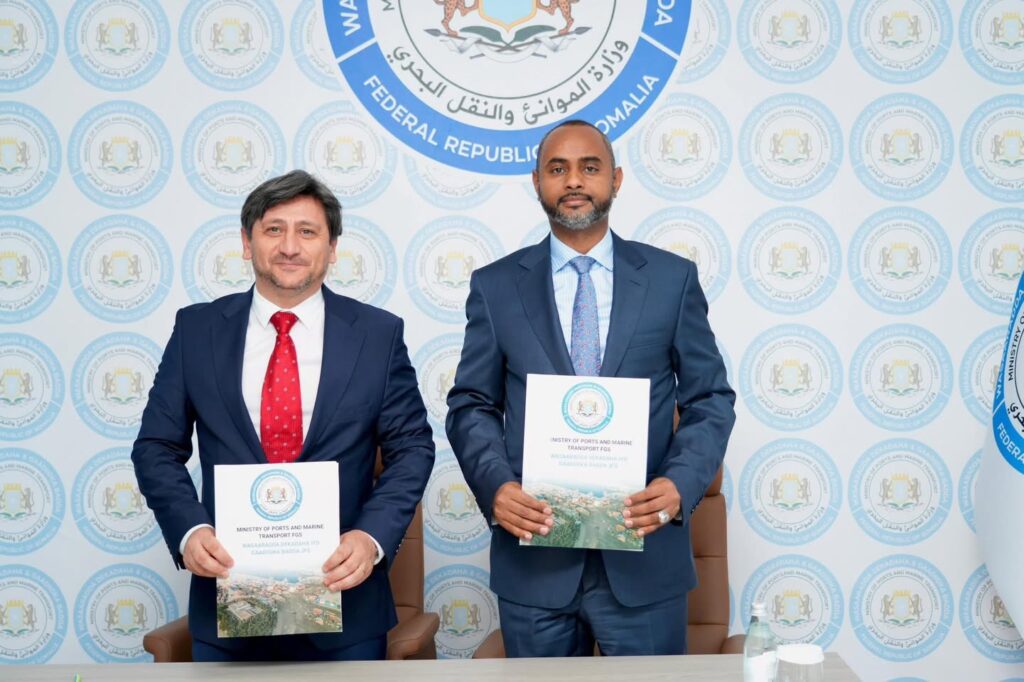
Somalia has today registered a vessel flying the Somali flag, but the company that carried out the registration is a Turkish firm. Additionally, it is being reported that fishing licenses have also been granted to a Turkish company. Previously, Turkey has already taken control of some of the country’s most important sources of revenue, such as the port and the airport.
When these developments are considered together, they strengthen the growing perception that Somalia is gradually becoming dependent on a single foreign country—to the extent that some people are beginning to describe the country as a kind of “Turkistan” or symbolic “Somalistaan.”
However, the main concern is not simply that services and economic opportunities have been handed over to Turkey. The real question is whether the agreements signed are fair and beneficial to Somalia and its people, or whether they primarily serve Turkey’s interests, leaving Somalis with promises and returns that do not match the value of the resources given.
When a country is fragile and its institutions are weak, it becomes easier for foreign companies and governments to take advantage of existing needs. Somalia today requires investment, reconstruction, job creation, and international partners—this is a clear reality. But that need should not become a gateway for unequal agreements that may appear beneficial in the short term but, in the long run, could lead to the loss of control over national resources.
Turkey can benefit from Somalia’s situation in several ways. First, it gains significant economic influence by managing or impacting key revenue-generating sectors. Second, it builds political influence, as those who control vital resources often hold direct or indirect decision-making power. Third, it secures long-term business opportunities by taking advantage of a market that is not yet fully regulated and a government that may urgently need visible support.
On the other hand, Somalis are not opposed to foreign investment or international assistance in development. People want roads, functioning ports, efficient airports, regulated fisheries, and modern services. However, Somali citizens have the right to know: what has been given, what has been received in return, who benefits, how long the agreements last, what Somalia’s share is, who gets the jobs created, and whether expertise and management will eventually return to local hands or remain permanently outsourced.
If clear answers to these questions are not provided, the suspicion will continue to grow that Somalia is not entering genuine partnerships, but rather drifting into a new form of economic dependency. This is what worries many people: that under the name of cooperation, agreements are being made where one side gains significantly more, while the other is placated with appealing rhetoric and intangible promises.
Somalia indeed needs partnerships. But even more importantly, it needs fair, transparent, and accountable agreements that protect national interests. Otherwise, the risk is not only that foreign actors will benefit—the greater danger is that an entire nation could be convinced to accept less than it deserves, while its resources and economic sovereignty gradually slip out of its hands.