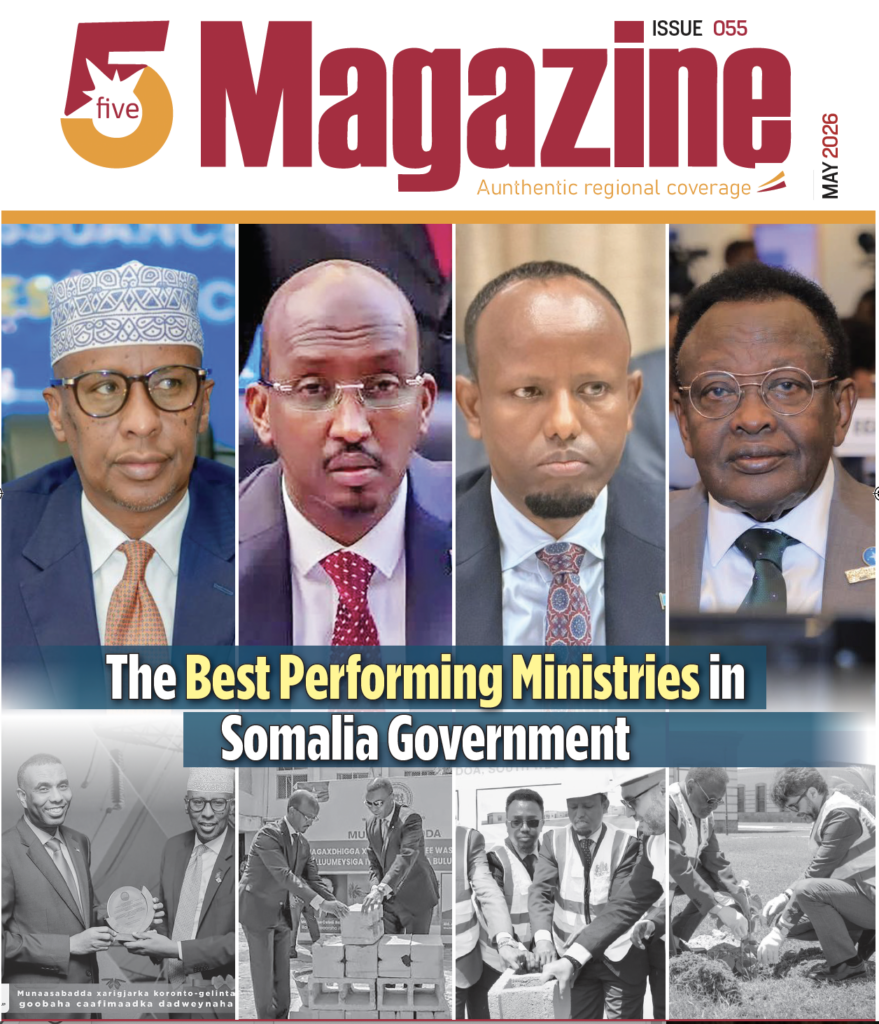
Somalia’s path to recovery and growth is increasingly being defined by its ability to deliver what matters most: reliable energy and sustainable water. In recent years, the Ministry of Energy and Water Resources has emerged as a central force behind this transformation, quietly but decisively reshaping the systems that power homes, sustain livelihoods, and drive economic progress. Under the leadership of Minister Abdullahi Bidhaan, the Ministry has translated vision into action, delivering reforms and services that are already changing lives across the country.
The Ministry’s achievements during this period have been both nationally recognized and internationally significant. Its contribution to service delivery, sector reform, and national development earned it the prestigious Presidential Medal of Honor, a symbol of excellence awarded in recognition of its exceptional performance.
At the heart of this success lies a deliberate strategy: build strong systems, enact clear policies, and deliver real services to the Somali people. Through this approach, the Ministry has positioned Somalia as a nation committed to sustainable development, climate resilience, and universal access to energy and water.
Legal and Strategic Foundations
A defining milestone has been the enactment of Somalia’s National Electricity Law (2023), the first comprehensive legal framework governing electricity generation, distribution, and regulation. This landmark legislation has brought clarity and confidence to the sector, enabling private investment while safeguarding consumer interests.
In parallel, the Ministry finalized the National Water Sector Development Plan (2026–2030), a transformative blueprint that outlines 13 flagship projects across all Federal Member States. This plan is not merely aspirational; it is structured, funded, and time-bound, offering a clear roadmap toward universal, climate-resilient water access.
Further reinforcing this vision is the launch of the Somalia Water Compact (2030–2050), a historic commitment to inclusive and sustainable water and sanitation services, backed by a long-term financing framework.
The Energy Transformation
The transformation of Somalia’s energy sector stands as one of the Ministry’s most visible achievements. From a landscape once dominated by isolated diesel generators, the sector is now guided by policy, planning, and a clear vision for renewable energy.
The publication of the National Power Generation and Transmission Masterplan (2025–2050) has provided Somalia with its first long-term energy blueprint. It maps generation potential, identifies transmission corridors, and sets ambitious yet achievable targets, including making solar energy one of the most affordable power sources in the country.
But beyond policy, the Ministry has delivered real impact where it matters most.
Across Somalia:
• 153 health facilities have been electrified with solar power, enabling life-saving medical services to operate reliably.
• 215 schools now benefit from clean electricity, improving learning conditions and expanding opportunities for students.
These are not just numbers, they are stories of transformation. Hospitals that once struggled in darkness now provide safe, continuous care. Schools that relied on costly diesel now offer extended learning hours and digital education tools.
The launch of the Green Economy and Economic Development (GEED) Program has further accelerated renewable energy adoption, supporting businesses, households, and entrepreneurs while building a skilled national workforce.
Transforming Water Access
If energy powers opportunity, water sustains life, and the Ministry’s achievements in the water sector have been equally transformative.
For decades, water access in Somalia was driven by emergency responses. Today, under the Ministry’s leadership, it is guided by systems, data, and long-term planning.
The National Water Sector Development Plan (2026–2030) marks a decisive break from crisis-driven approaches. It introduces structured investment, accountability, and nationwide coordination—ensuring that every project contributes to a broader national system.
This transformation is already delivering results:
• Expanded urban water systems are reducing costs for households.
• Rural communities are gaining access to reliable, safe water sources.
• Women and children, once burdened with hours of water collection, are reclaiming time for education and economic activity.
The deployment of an advanced national water monitoring system has further strengthened the sector. Real-time data on river flows, rainfall, groundwater, and water quality is now informing decision-making, bringing precision, transparency, and efficiency to water management.
Investing in People
Infrastructure alone cannot sustain progress without skilled people to manage it. Recognizing this, the Ministry has made historic investments in human capital.
For the first time in decades, Somali students have been supported to pursue advanced degrees in energy and water management. Thirty-five graduates of the MSc in Integrated Water Resources Management now form the backbone of a new generation of professionals leading the sector.
These graduates are not just beneficiaries; they are drivers of change. Equipped with knowledge, data, and practical experience, they are ensuring that Somalia’s systems are designed, implemented, and sustained by its own people.
Stories from the Ground
The true measure of the Ministry’s success lies in its impact on everyday lives. In health facilities across the country, solar power has transformed care delivery, enabling safe childbirth, reliable laboratory services, and vaccine preservation. In communities once dependent on water trucking, structured systems are now replacing emergency responses, delivering reliable and affordable water. These stories reflect a deeper truth: when systems work, lives improve.
2030 Vision and Beyond
While the achievements of the past four years are substantial, the Ministry’s vision remains firmly forward-looking.
By 2030, the Ministry aims to:
• Expand solar electrification to all district hospitals
• Implement the first phase of the national power masterplan
• Achieve affordable clean energy in major urban centers
• Deliver universal water access through the full implementation of the NWSDP
• Close critical financing gaps in the water and sanitation sector
At the center of this transformation is the leadership of the Minister of Energy and Water Resources. Under his helm, Abdullahi Bidhaan, the Ministry has demonstrated what effective governance can achieve: clarity of vision, strength of execution, and a relentless focus on results.
From enacting landmark legislation to delivering electricity to schools and water to communities, the Ministry’s achievements reflect a leadership style that is both strategic and deeply committed to the welfare of the Somali people.
The foundations laid during this period will shape Somalia’s future for decades to come, ensuring that energy powers growth, water sustains life, and both serve as pillars of national development.