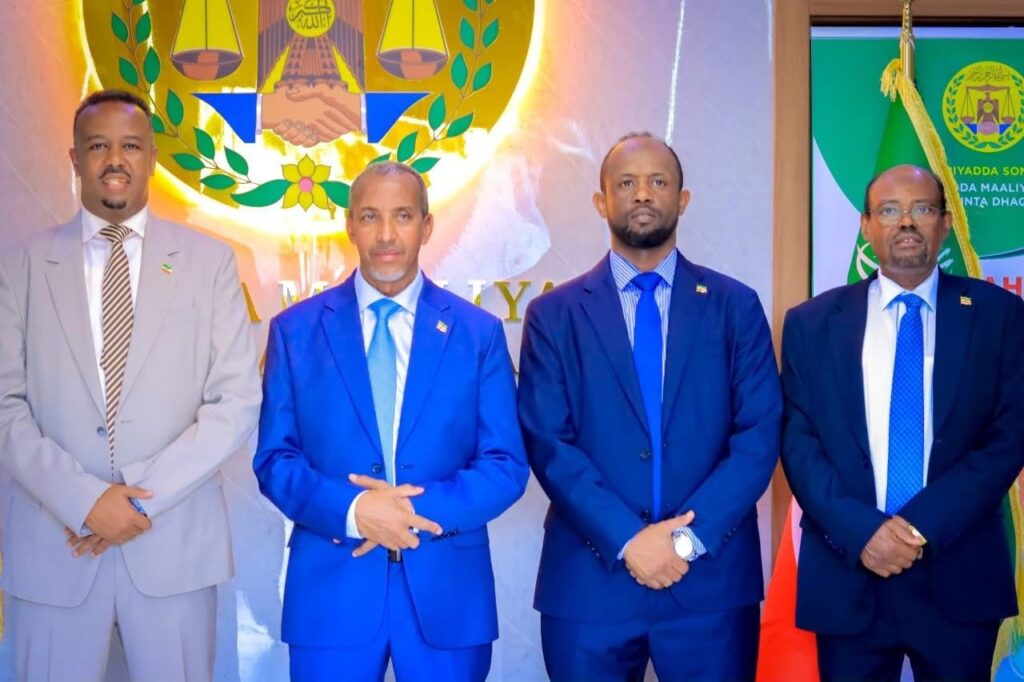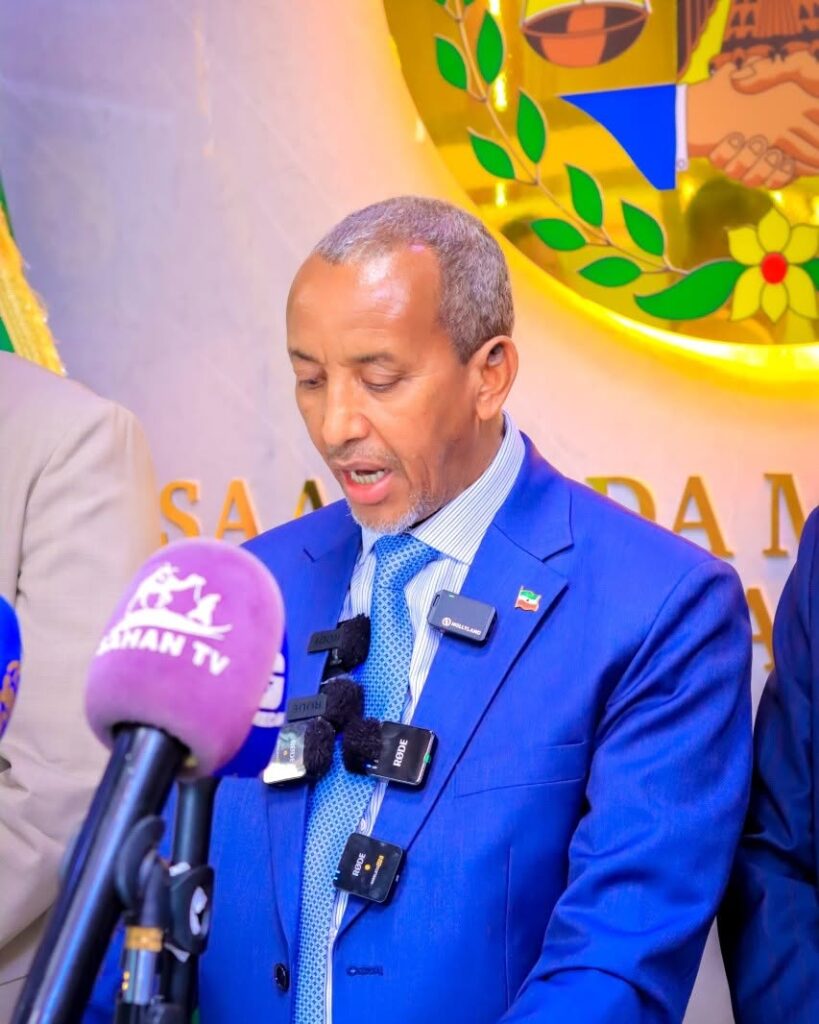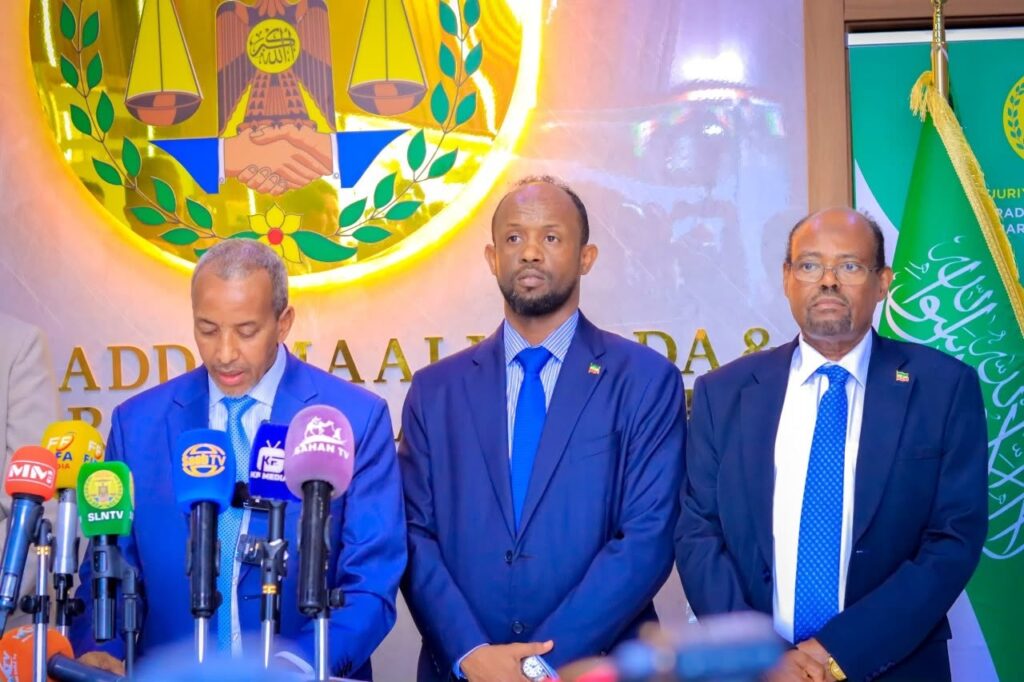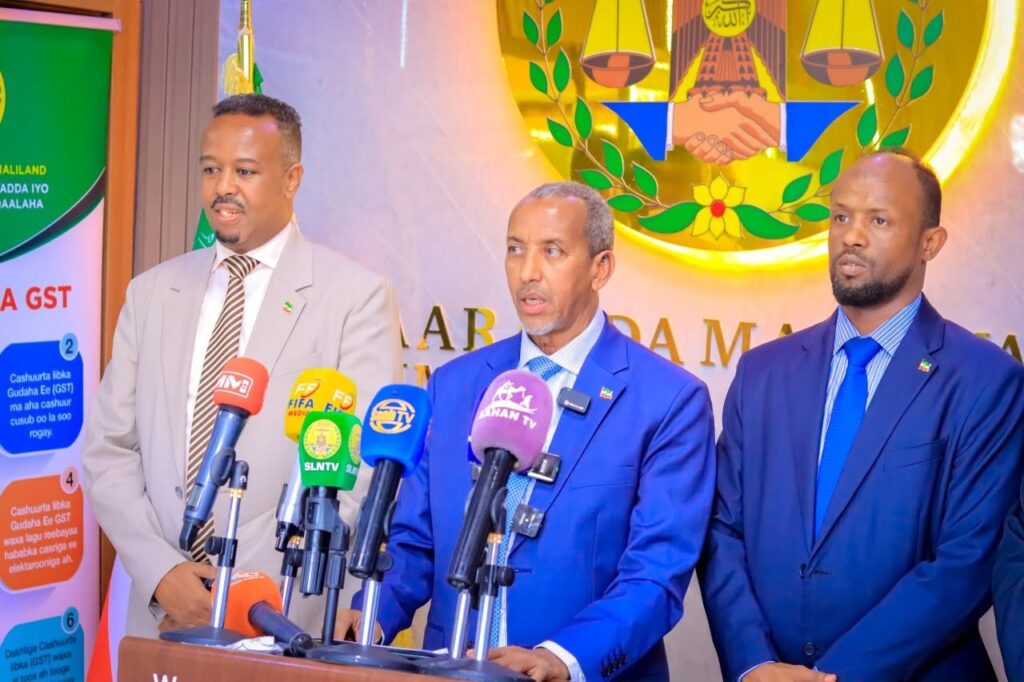
Somaliland has unveiled sweeping reforms to its Goods and Services Tax (GST) system, cutting the tax rate by half while broadening the number of businesses and services subject to taxation in a move aimed at modernising revenue collection and strengthening domestic finances.
In a statement issued in Hargeisa, the Ministry of Finance and Economic Development announced that the GST rate will be reduced from five per cent to 2.5 per cent, a decision officials say is intended to ease the tax burden on consumers and businesses while encouraging greater compliance.
The reform represents one of the most significant changes to Somaliland’s tax regime in recent years and reflects a growing trend among governments seeking to increase revenue not by raising tax rates, but by expanding the tax base and improving efficiency in tax administration.
According to the ministry, the lower tax rate will be accompanied by a broader taxation framework designed to ensure that all eligible goods and services contribute fairly to national revenue. Authorities believe the move will spread the tax burden more evenly across the economy instead of concentrating it on a limited number of businesses and sectors.
The reforms are also expected to accelerate the country’s transition towards digital tax administration. Under the new system, tax collection will increasingly rely on electronic payment platforms and other modern technologies to simplify compliance, curb tax evasion and improve transparency.
Finance officials said the changes are driven by several strategic objectives, including reducing the cost of doing business, increasing the number of registered taxpayers, modernising revenue collection systems and enhancing domestic revenue mobilisation to support public services and development projects.
The announcement comes at a time when many governments across Africa are grappling with rising expenditure demands and growing pressure to finance infrastructure, healthcare, education and social services through locally generated revenues.
Economic analyst Fathi Mussa welcomed the reforms, describing them as a bold step towards building a more resilient and inclusive economy.
“Reducing tax rates while expanding the tax base is a strategy that has worked in many emerging economies. It encourages compliance, reduces incentives for tax evasion and brings more businesses into the formal economy. For Somaliland, these reforms are critical because sustainable domestic revenue is the foundation upon which infrastructure, healthcare, education and other public services can be expanded,” said Mussa.
Businesses, financial institutions and service providers have been urged to prepare for the transition, which will take effect once technical preparations and implementation procedures are completed. The government has pledged to roll out public awareness campaigns and detailed compliance guidelines before enforcement begins.
Officials expressed confidence that the reforms will create a more equitable and efficient tax environment while strengthening Somaliland’s fiscal position. They argue that a wider tax net combined with lower rates will encourage voluntary compliance, reduce informality and provide the government with a more sustainable source of revenue for long-term economic development.