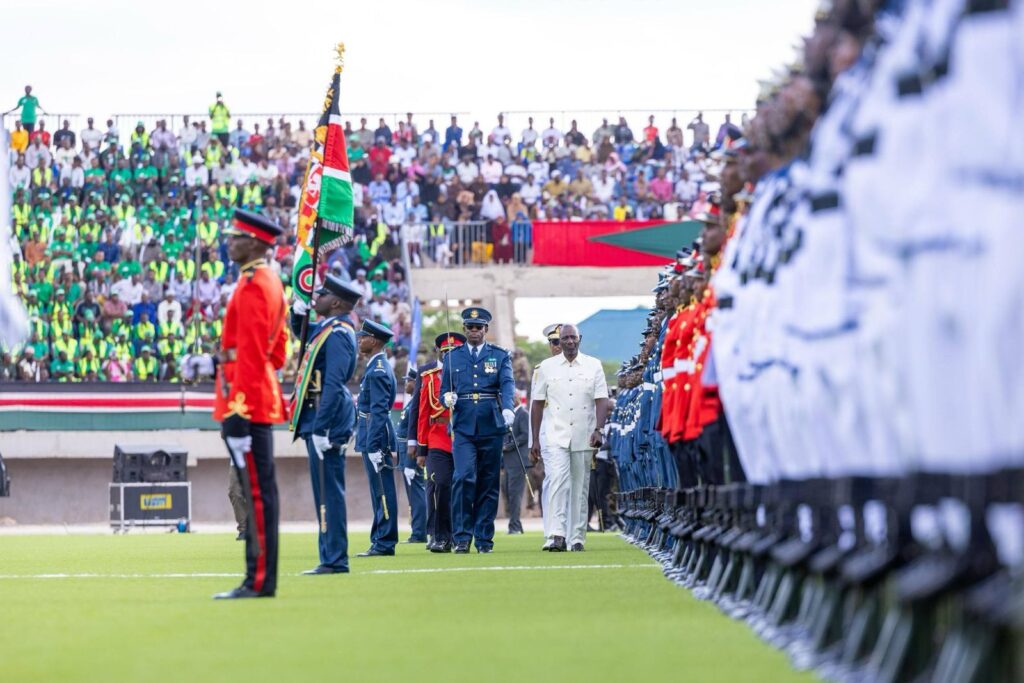
For decades, national celebrations in Kenya seemed to belong to other places. The grand parades, presidential addresses, military displays, and national spotlight often rotated among major cities and regions that had long enjoyed visibility in the country’s political and economic landscape. For many residents of Northern Kenya, these occasions were events watched from afar on television screens rather than experienced firsthand. That changed on June 1, 2026, when WajirCounty hosted the country’s Madaraka Day celebrations for the first time in history.
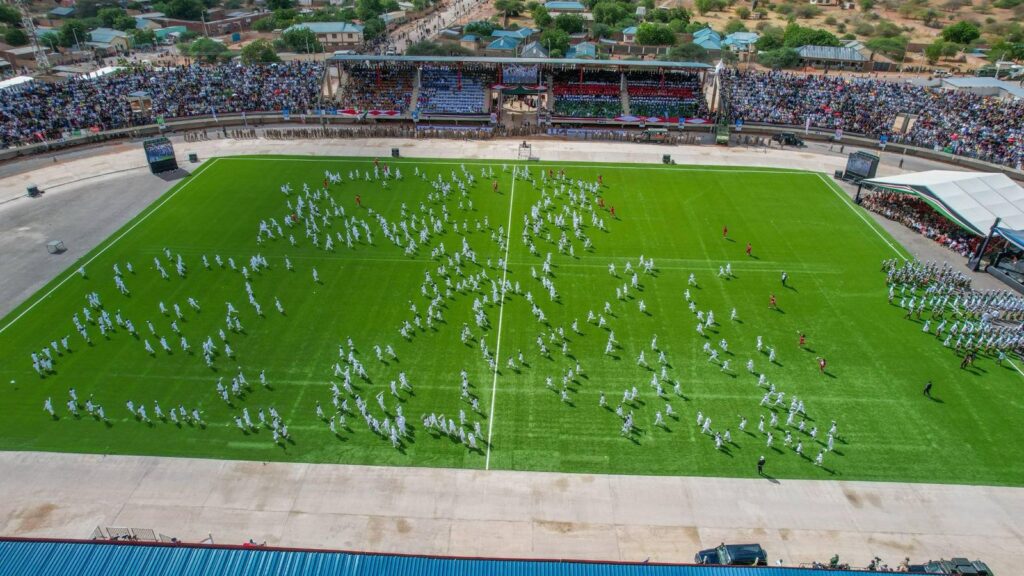
As thousands of residents streamed into the newly constructed 10,000-seater stadium, joined by President William Ruto, senior government officials, members of the judiciary and legislature, diplomats, and visitors from across Kenya, there was a widespread sense that something bigger than a national holiday was taking place. For Wajir, the celebrations represented recognition, inclusion, and arrival. At the center of that achievement stood Governor Ahmed Abdullahi, whose leadership and persistence helped transform what many once considered an unlikely dream into reality.
The significance of the occasion cannot be overstated. Never before had Northern Kenya hosted a national celebration of this scale. For generations, the region had often found itself described through the language of distance and marginalization. Yet on this historic day, Wajir became the center of national attention, demonstrating not only its readiness to host a major event but also its growing importance within Kenya’s national story.
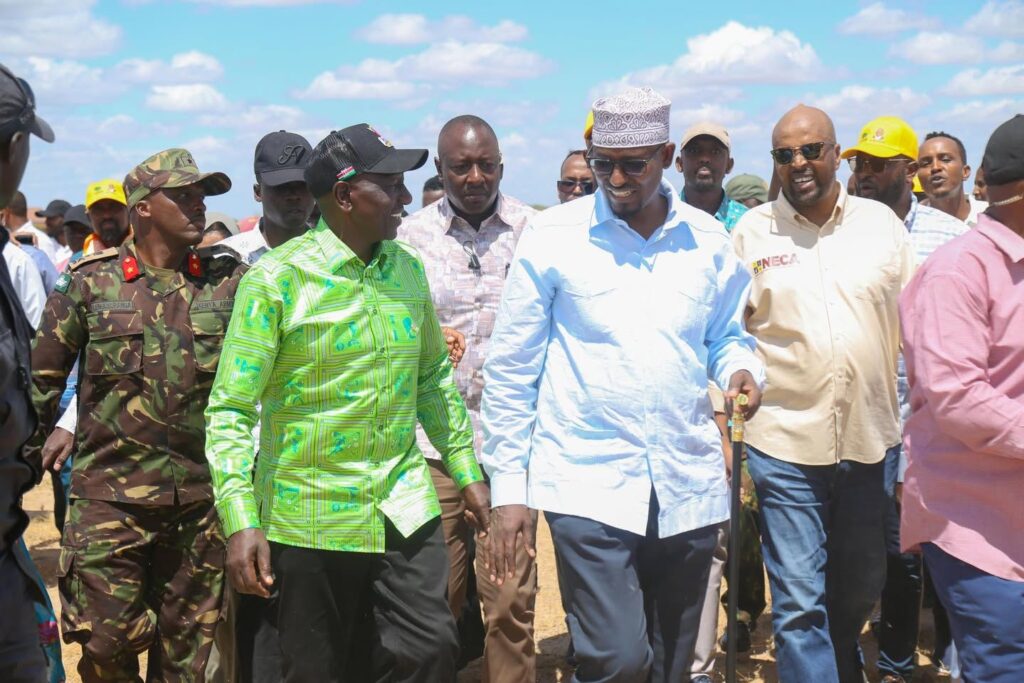
Governor Abdullahi understood from the beginning that bringing Madaraka Day to Wajir would require more than a request. It would require preparation, planning, and proof that the county could successfully host an event watched by millions of Kenyans. Long before the celebrations arrived, extensive efforts were already underway to position Wajir as a worthy host. The county embarked on an ambitious journey that included improving infrastructure, coordinating with national government agencies, mobilizing local stakeholders, and presenting a united vision for the future of the region.
The most visible symbol of that effort greatly rose from the ground. In just over one hundred days, a modern 10,000-seat stadium emerged in Wajir, becoming one of the fastest public infrastructure projects of its kind in recent Kenyan history. What had once been an empty site was transformed into a venue capable of hosting a national celebration. To many residents, the speed of construction seemed almost unbelievable. Yet the stadium quickly became a powerful symbol of what focused leadership and collaboration could achieve.
Beyond the stadium itself, preparations extended across the county. Roads were rehabilitated and upgraded, street lighting expanded, water connectivity improved, and Wajir International Airport modernized to accommodate increased traffic and visitors. The physical transformation was impossible to ignore. Residents watched as projects that had long been discussed moved rapidly toward completion. Businesses prepared for increased activity, communities organized welcoming events, and local institutions worked together to ensure that Wajir would present its best face to the nation.
Perhaps one of Governor Abdullahi’s greatest achievements during this period was fostering unity among leaders across the county. Large national events often expose political divisions, but in Wajir, the preparations became a unifying project that transcended political differences. County leaders, elders, professionals, youth groups, business communities, and national government officials rallied around a shared objective. The governor consistently framed the event not as a victory for an individual administration but as a collective achievement for the people of Wajir and Northern Kenya as a whole.
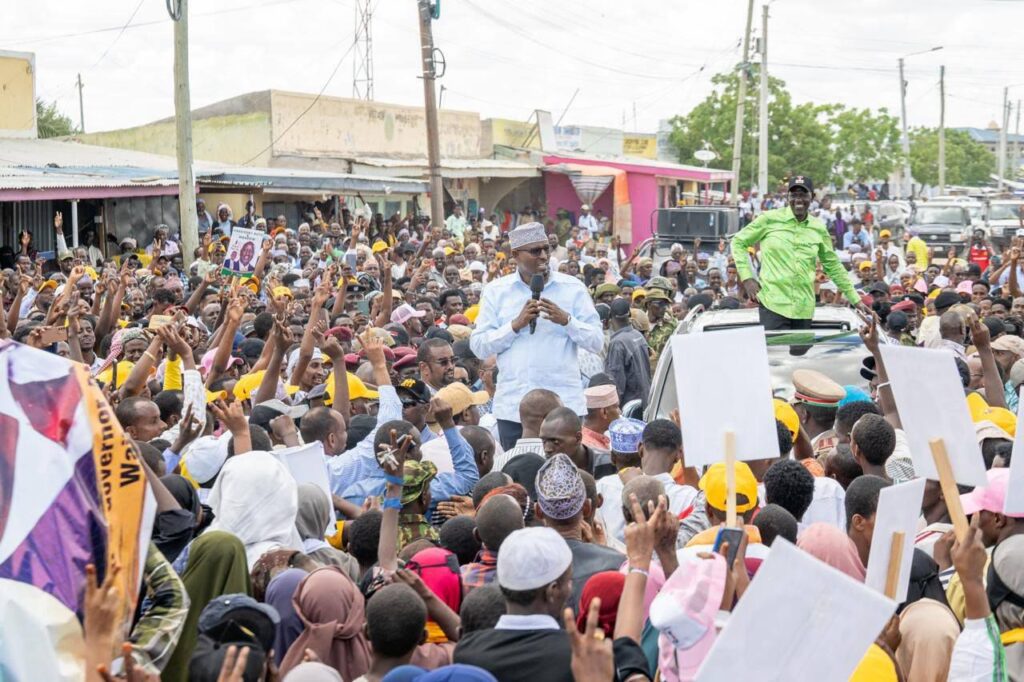
That message of unity was woven throughout his Madaraka Day address. Speaking before thousands of attendees, Governor Abdullahi described the celebrations as a defining moment in Wajir’s journey. He reminded the nation that the people of the county had long waited for a day when they could host fellow Kenyans, stand alongside national leaders, witness the country’s military parade, and participate directly in one of the Republic’s most important occasions. For many residents listening from the stands, his words captured decades of aspiration and hope.
The governor also offered a powerful reflection on the meaning of Wajir itself. He noted that the name “Wajir” translates to “coming together,” an observation that resonated deeply with the spirit of the occasion. Historically, Wajir has served as a meeting point for communities, traders, and cultures. Situated strategically within Northern Kenya, it has long functioned as a gateway connecting people and commerce. By hosting Madaraka Day, Wajir was once again bringing people together, this time from every corner of the country.
Building a Legacy Beyond the Celebration
While the stadium served as the centerpiece of the celebrations, Governor Abdullahi understood the importance of ensuring that the event left a lasting legacy. Infrastructure can host a celebration, but symbols create memory. One of the most memorable moments of the day came when the governor requested that the newly constructed stadium be named after the late Ahmed Khalif, one of the region’s most respected political leaders and human rights advocates.
In an emotional address, Governor Abdullahi recalled his own political journey and the admiration he held for Ahmed Khalif. He explained that his first involvement in politics came not as a candidate but as a campaign manager helping Khalif reclaim his parliamentary seat. For the governor, naming the stadium after the late statesman was not merely a ceremonial gesture; it was an opportunity to honor a man who had helped pave the way for future generations of leaders from Northern Kenya.
President William Ruto immediately embraced the proposal, announcing that the facility would be officially known as Ahmed Khalif Wajir Stadium. The decision added a deeper historical dimension to the celebrations. The stadium would not simply stand as a monument to Madaraka Day 2026 but also as a permanent tribute to one of the region’s pioneering leaders.
The moment underscored Governor Abdullahi’s broader vision for Wajir’s development. Throughout his tenure, he has consistently argued that development must be accompanied by recognition, dignity, and inclusion. Infrastructure alone is important, but equally important is ensuring that communities see themselves reflected in the national narrative. The successful hosting of Madaraka Day achieved both objectives simultaneously.
President Ruto’s remarks during the celebrations reinforced this message. He spoke candidly about historical injustices and the challenges that many residents of Northern Kenya had faced over the years. He emphasized that no county should be considered too remote to deserve development and no citizen too distant to deserve opportunity. The decision to bring Madaraka Day to Wajir, therefore, was not only about geography. It was a statement about belonging.
For Governor Abdullahi, that message may ultimately be one of the most enduring outcomes of the event. The roads, airport upgrades, street lights, water projects, and stadium will continue serving residents long after the celebrations have ended. Yet perhaps the greatest achievement lies in the confidence generated by the occasion itself. Wajir demonstrated its ability to host the nation. Its residents welcomed visitors from across Kenya. Its leaders showcased a united front. And its young people witnessed their county become the focus of national attention.
Years from now, residents will undoubtedly remember the military parade, the presidential address, and the excitement of seeing Wajir on every television screen in the country. But they may remember something else as well: that a determined governor believed Wajir deserved its moment, worked tirelessly to make it happen, united leaders behind a common purpose, and helped deliver one of the most significant milestones in the county’s history.