By 5 Magazine…..
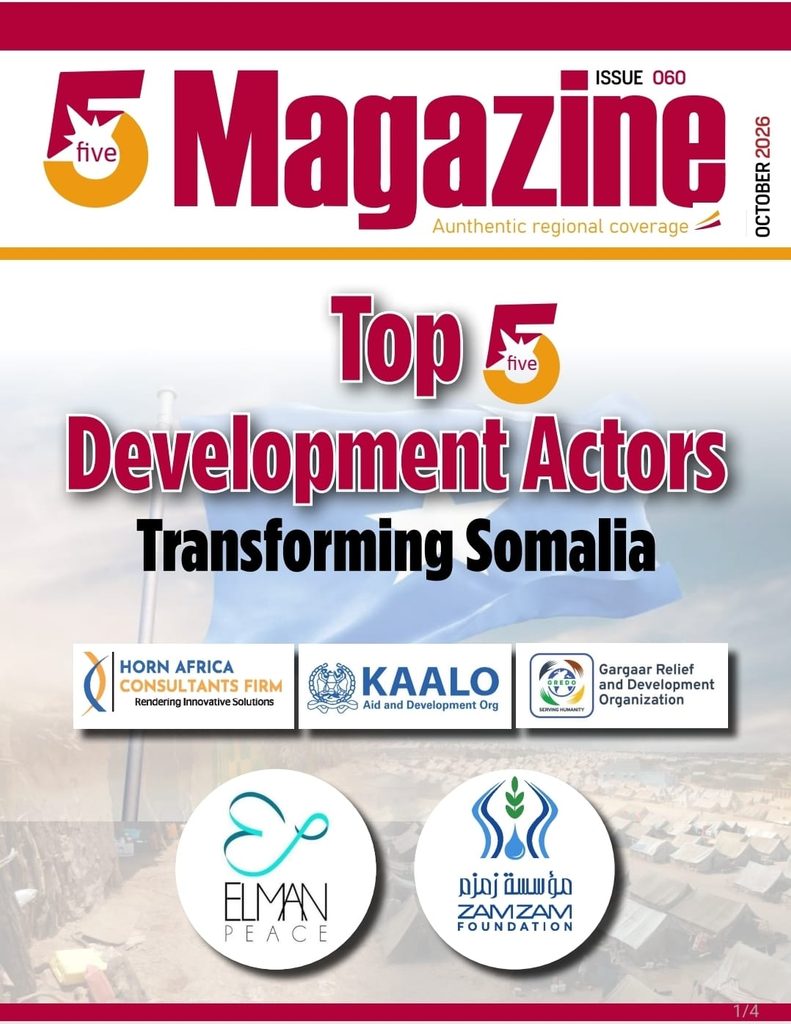
Gargaar Relief and Development Organization (GREDO) is a Somali non-profit, non-governmental humanitarian and development organization headquartered in Baidoa. Founded in December 1992 by Somali intellectuals and well-wishers, it emerged during a period of severe humanitarian crisis, civil war and disruption of essential services. From its beginnings as a locally initiated response, GREDO has grown into an organization delivering emergency assistance, recovery support and development programmes across several regions of Somalia.
GREDO’s history is closely connected to the communities it serves. During the years of civil war, insecurity and displacement placed immense pressure on families and weakened access to food, water, health care, education and livelihoods. Reaching people in rural and conflict-affected areas required persistence, local knowledge and the ability to adapt as conditions changed. GREDO continued working through these challenges, maintaining relationships with communities and supporting people affected by successive crises.
Over three decades, the organization has expanded its work to address both immediate humanitarian needs and longer-term priorities. Its programmes have evolved alongside communities facing drought, floods, conflict, displacement and poverty. Today, GREDO brings together health and nutrition, water and sanitation, education, livelihoods, protection, governance, peacebuilding and resilience. This integrated approach reflects the reality that a household’s needs are often connected: illness, food insecurity, limited access to water and interrupted schooling can occur at the same time.
Throughout the decades, GREDO has implemented more than 200 projects across different periods and sectors and partnered with more than 40 UN agencies and international organizations, illustrating the breadth of its work and the partnerships built over time. Throughout its growth, GREDO has remained a Somali organization grounded in local relationships. It works with communities, government institutions, civil society organizations and humanitarian donors and partners to identify priorities and deliver assistance.
Presence across Southern and Central Somalia
GREDO was founded in Baidoa, Bay Region, where it maintains its headquarters. Its operational presence has expanded across southern and central Somalia, with extensive work in Southwest State and programmes in Jubaland, Hirshabelle, and most recently Northeastern State of Somalia.
GREDO’s programmes have reached communities in districts including Baidoa, Berdale, Burhakaba, Diinsoor and Qansaxdheere in Bay; Xudur, Wajid, Ceelberde and Yeed in Bakool; Afgooye, Wanlaweyn, Qoryooley, Barawe and Marka in Lower Shabelle; Bardheere and Luuq in Gedo; Kismayo in Lower Juba; Beledweyne in Hiiraan and Laascaanood in Sool. Its activities serve rural communities, urban residents, internally displaced people and the communities hosting them.
Needs vary across these locations. Rural families may face crop failure, livestock losses and long journeys to reach health care or safe water. Towns and displacement settlements may experience growing pressure on schools, health facilities and water systems. Riverine communities face flooding, while drought can affect food production and water access across wide areas. GREDO adapts its programmes to these circumstances, working with community representatives and relevant authorities to understand priorities and coordinate responses.
GREDO’s local presence is especially important in underserved and hard-to-reach areas. Field teams, community mobilizers and local partners help connect people to services and bring community perspectives into programme decisions. This enables GREDO to respond to urgent needs while supporting the local structures on which communities rely.
Seven Connected Areas of Work
GREDO delivers programmes across seven closely connected thematic areas, reflecting the organization’s integrated approach to humanitarian assistance, recovery and longer-term resilience.
Health and nutrition. GREDO supports primary health care, maternal and child health, immunization, nutrition screening and treatment, and community outreach. Its programmes focus particularly on women, children and underserved communities. Support to health facilities and outreach teams helps families access care, while community activities promote awareness of health and nutrition concerns.
Water, sanitation and hygiene (WASH). GREDO works to improve access to safe water, sanitation and hygiene services. Its activities have included water infrastructure, sanitation facilities, hygiene supplies and community hygiene promotion. These services are essential during drought and displacement, when pressure on existing water sources and facilities increases.
Food security, livelihoods and resilience. GREDO supports households facing food insecurity and the loss of income or productive assets. Its programmes include food and cash assistance, agricultural support, skills development and community resilience activities. This combination helps families address immediate priorities while strengthening their livelihoods.
Education. GREDO supports access to learning for children affected by poverty, displacement and emergencies. Its work includes assistance to learners and schools, educational materials and approaches for children whose schooling has been interrupted. GREDO also works with education authorities and communities to strengthen inclusive learning opportunities.
Protection and gender equality. GREDO supports children, women and other people facing protection risks through safeguarding, child protection and activities addressing violence and exclusion. Across its programmes, it promotes safer access to services and the participation of women, girls and marginalized groups.
Governance and peacebuilding. GREDO supports community dialogue, social cohesion and inclusive decision-making. It works with community structures and civil society organizations to address shared concerns and strengthen locally led responses.
Climate and environmental resilience. Recurrent droughts and floods affect livelihoods and essential services in many of GREDO’s operational areas. Its resilience work helps communities understand risks, prepare practical responses and strengthen their capacity to cope with climate-related shocks.
Recent reach and results
GREDO’s recent annual results demonstrate the scale and diversity of its programmes. Its work has reached communities through health care, nutrition treatment, safe water, education, food and cash assistance, livelihood support, protection and peacebuilding.
In 2022, GREDO reported that 22,295 students gained access to quality education. Its WASH programme reached 394,847 people, while food security and livelihoods activities supported 45,643 households. GREDO also supported 21 health facilities to provide comprehensive primary health care.
In 2023, GREDO reported reaching more than two million people, including over 500,000 children. More than 738,000 people benefited from WASH programmes, over 548,000 from health programmes and over 175,000 from nutrition programmes. Its work also included food security, education and protection services.
GREDO’s 2024 impact snapshot reports 1,472,124 people supported, including more than 300,000 children. Health programmes benefited 502,980 people; food assistance, food security and livelihoods activities benefited 363,248; WASH programmes benefited 317,531; and nutrition programmes benefited 250,235. Education programmes supported 26,930 children.
In 2025, GREDO reported reaching 1,152,860 people, including more than 350,000 children. Nutrition programmes supported 533,533 children and mothers; health programmes supported 274,526 people; food security, livelihoods and resilience activities reached 170,000; and WASH programmes benefited 138,072. Education and skills programmes benefited 24,388 children. GREDO also supported 8,275 people through governance and peacebuilding, 4,066 children, women and girls through protection and safeguarding, and 17 civil society organizations through localization activities.
These achievements reflect the work of GREDO’s field teams and its collaboration with communities, government institutions, donors and humanitarian partners. They also show the organization’s ability to deliver across several sectors while responding to changing needs in different parts of Somalia.
Community Impact
GREDO’s programmes affect daily life in practical ways. Access to a health facility or nutrition service helps families obtain care closer to home. A functioning water system reduces the burden of collecting water and supports healthier living conditions. Education assistance helps children continue learning despite displacement or other disruptions. Food and cash assistance gives households resources to address urgent priorities, while livelihood activities support their efforts to earn an income.
The benefits of community services extend beyond individual programme participants. A health facility serves families across its catchment area. A water system can support multiple settlements. Training for teachers, farmers, community representatives and local organizations strengthens skills that remain useful in future work. Through governance and peacebuilding activities, community members gain opportunities to discuss shared concerns and take part in decisions affecting their lives.
Community participation shapes GREDO’s approach. People living with the effects of conflict, displacement and climate shocks bring essential knowledge of their circumstances and priorities. GREDO works with them to identify needs, implement activities and strengthen local responses. Its continued presence through changing conditions has helped it build relationships and respond as communities’ needs evolve.
GREDO also contributes to locally led humanitarian action by working with Somali civil society organizations and community structures. Strengthening their capacity complements the delivery of direct assistance and supports a greater role for local actors in planning and responding to crises.
GERDO’s Mission and Vision
GREDO’s mission is to improve the living standards of the communities it serves through effective emergency response, resilience interventions, the promotion of local capacities and resources, and sustainable development in partnership with stakeholders. Its vision is a prosperous, healthy and happy society where peace resides and people live with dignity.
Since 1992, GREDO has worked alongside Somali communities through civil war, displacement, recurrent climate shocks and periods of recovery. Its mission connects urgent assistance with the longer-term work of strengthening services, livelihoods and local capacities. Across its operational areas, the organization continues to support communities in meeting immediate needs and pursuing safer, healthier and more dignified lives.